Waste
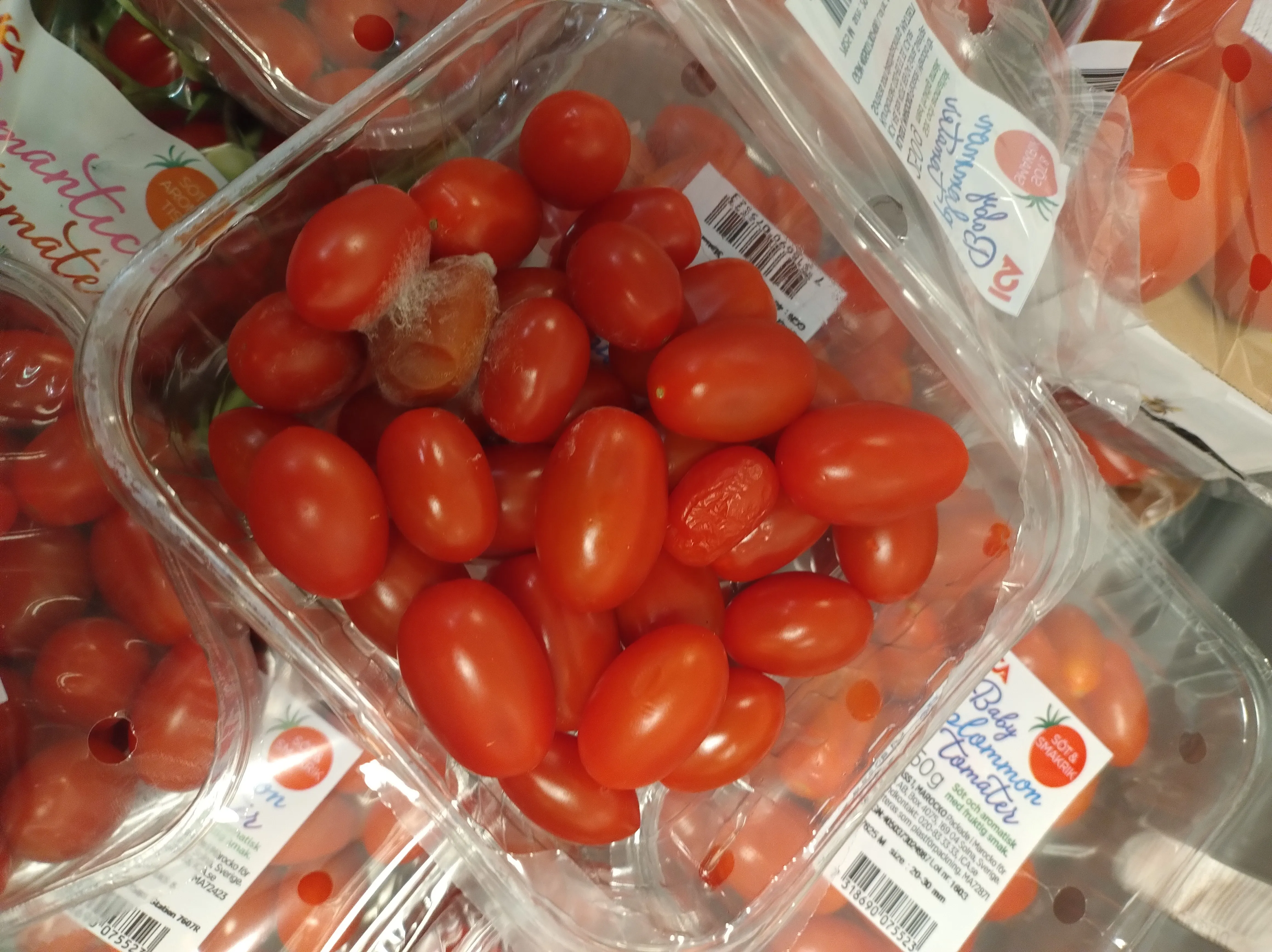
The significant amount of food waste generated in Western food systems is a major sustainability issue. Increasing scholarly attention is being paid to the causes of food waste –across the whole supply chain – as well as potential solutions. Important sociological contributions in this area have shown how food waste is shaped by the coordination of mundane practices, as well as the broader configuration of food system activities. Among such debates, another key issue is edibility: that is, the categorisation of something as ‘food’. For example, if surplus or out-of-date food is to be ‘revalorised’, it needs to be classified as food rather than waste. While edibility is a recurrent theme across interdisciplinary literatures on food waste, sociological understanding of how things move in and out of the category of food remains limited. This case study aims to address this gap, building on ethnographic fieldwork at a Stockholm-based social enterprise that provides commercial catering based on ‘rescued’ surplus food. The research, which is currently in progress, seeks to understand how things are enacted as food, then waste, then food again, by exploring the material and discursive practices through which this is achieved.