Offal
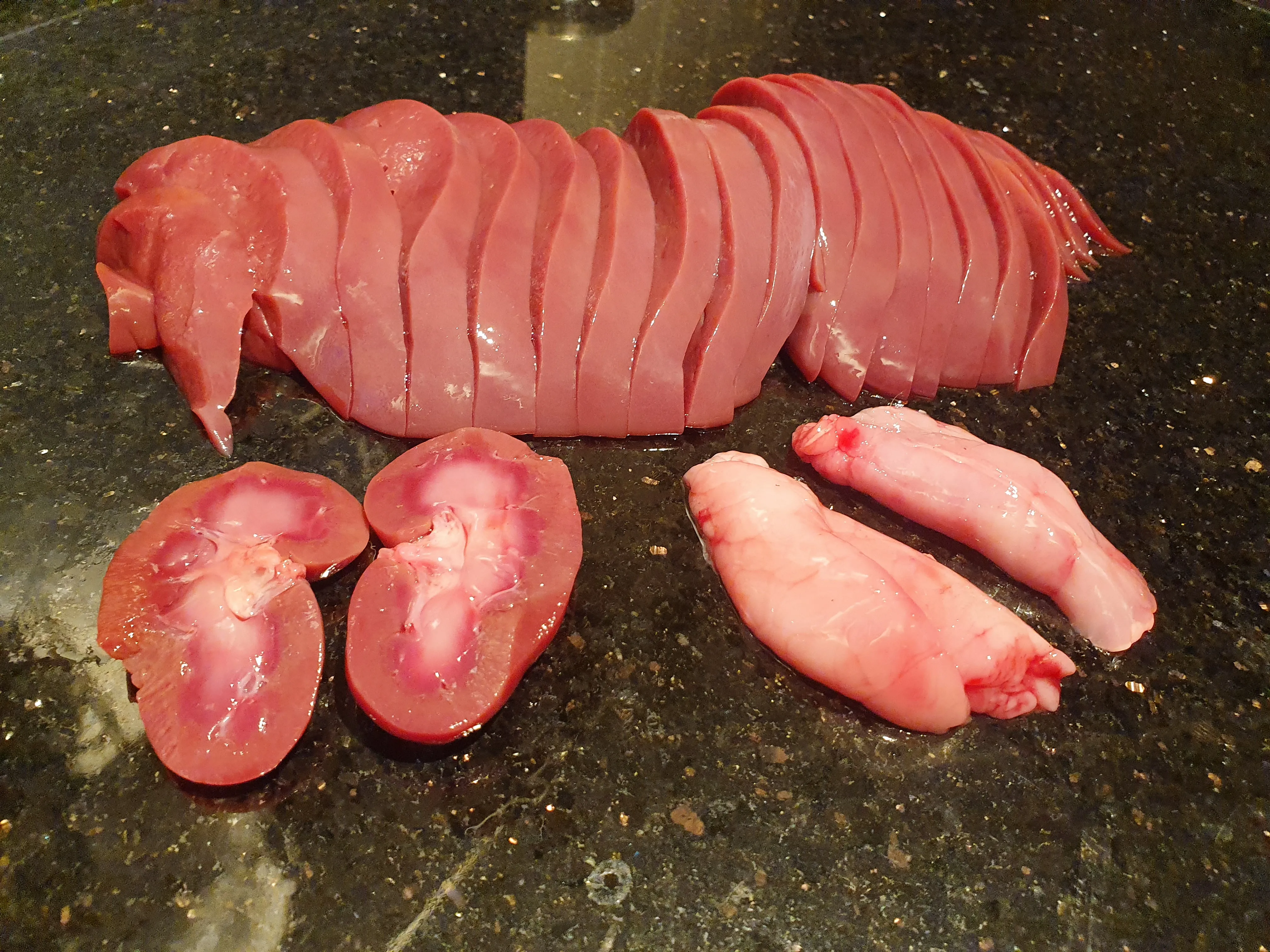
Interest in the use of offal as a food source has increased in recent years. As efforts to improve food system sustainability have emphasised the reduction of waste as a key goal, learning how to valorise edible but wasted animal products may have significant societal impact. Edible by-products can comprise up to 40% of an animal’s carcass weight, meaning that use of such by-products – including offal – is a promising way to reduce waste and improve food system sustainability. As a paradigmatic example of a divisive food, frequently being both cherished and reviled in the same place and time, offal also provides a theoretically fruitful case study.
My case study looks at the different ways that offal is transformed into something edible in contemporary Sweden, exploring a range of both old and new products and their different contexts of consumption. I have focused in particular on the production of blood brownies as part of the Blod och Rova project. I have been following the development of the brownies as a new product that seeks to make use of an agricultural sidestream, slaughterhouse blood, as a nutritional and sustainable human food source.