Fish
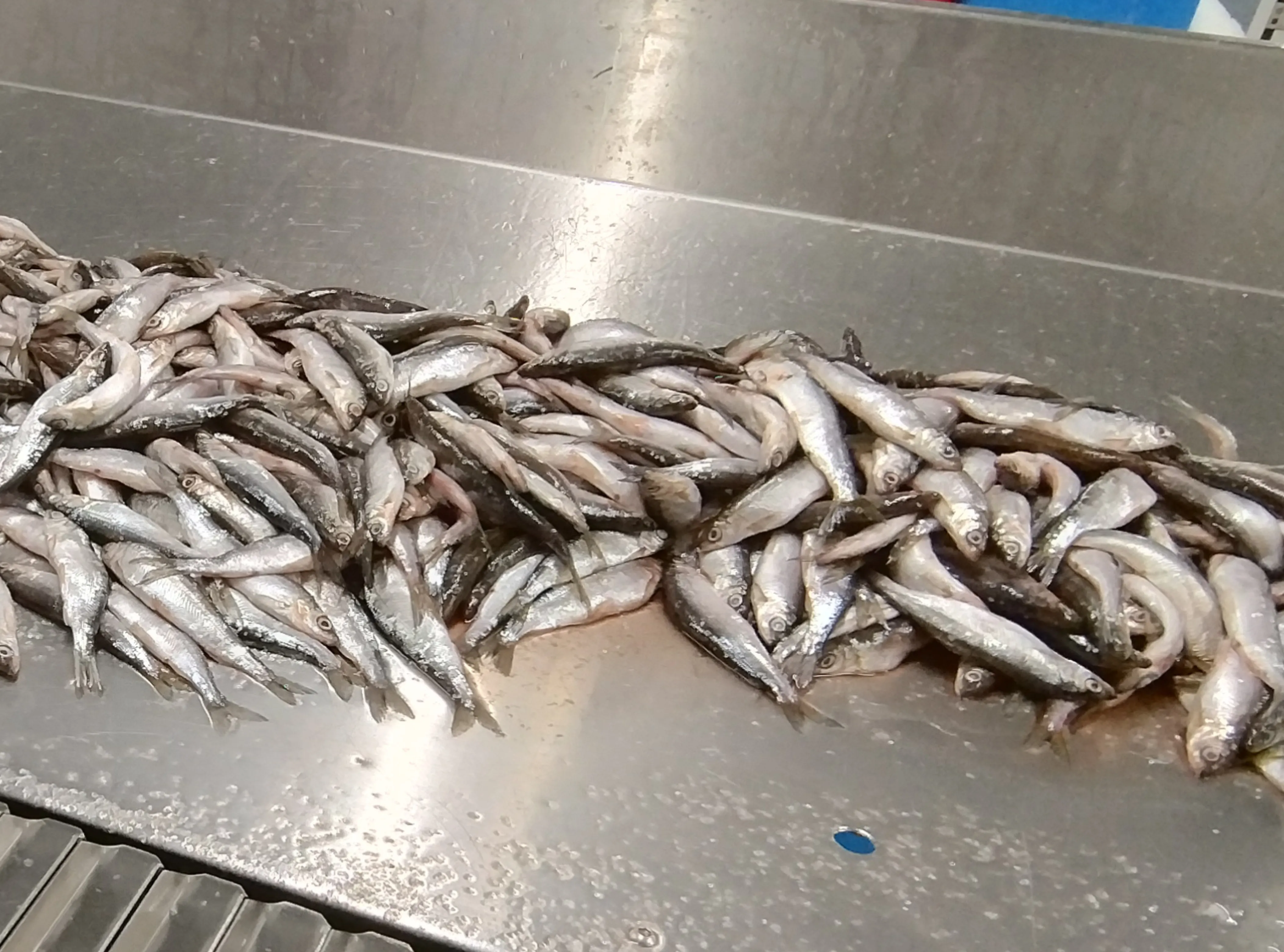
The Swedish Rural Network (Landsbygdsnätverket) recently published an article series on what they call smartfisk (‘smart fish’), “an expression coined in Finland for underutilized fish species […] that are today forgotten by consumers but have potential as food products”. The series includes bream (braxen, Abramis brama), ide (id, Leuciscus idus), vendace (siklöja, Coregonus albula), burbot (lake, Lota lota), roach (mört, Rutilus rutilus), and round goby (svartmunnad smörbult, Neogobius melanostomus). These species are all present in large numbers in the Baltic sea, where they are regularly caught as by-catch. However, they are not used for food. Instead, they are either used as bait for other fish, or quite often simply discarded. Creating a market for these fish as food could have a range of sustainability impacts. These include reduction of waste caused by throwing away edible fish, bolstering Swedish food security by broadening the range of potential food sources, adaptation of fisheries to species able to withstand climate damage such as eutrophication, and potentially helping to improve water quality and mitigate environmental damage.
My research has focused on one of these species, the male vendace. These are caught during fishing for roe, a valuable regional product. Typically discarded or used for animal feed, efforts are underway to commercialise the males of the species. I am researching how the vendace are ‘becoming food’ through these efforts.